

Switching an HVAC system from cool to heat and scheduling a pre-season checkup prevents costly winter repairs. ENERGY STAR recommends annual pre-season contractor visits to maintain peak performance. Big Rock Service Company serves Pulaski, Saline, Faulkner, and Garland Counties with expert heating services. A winter calendar should prioritize filter changes and professional inspections to avoid breakdowns.
Key Takeaways
Schedule the cool-to-heat switch before the first cold snap to prevent emergency breakdowns.
A pre-season heating checkup uncovers minor issues before they escalate into expensive failures.
A stuck heat pump reversing valve traps the system in one mode, leaving indoor air cold.
Filters require replacement every 1 to 3 months to maintain performance and airflow.
Why switch your HVAC from cool to heat now?
Delaying the transition from cooling to heating invites system failure when temperatures plummet. A switching HVAC from cool to heat procedure completed before the first cold snap prevents emergency breakdowns and ensures reliable warmth. Scheduling the professional pre-season checkup before or during the switch keeps the system ready for winter. Homeowners who wait until winter’s arrival often face extended discomfort. Contractors become overwhelmed with urgent calls once cold weather settles in, making prompt service difficult to secure.
What happens during a pre-season heating checkup?
A pre season heating checkup uncovers minor issues before they escalate into expensive failures. Technicians inspect electrical connections, test safety controls, and verify proper airflow throughout the system. This early inspection helps avoid the rush that arrives with winter’s first freeze. The ENERGY STAR Maintenance Checklist confirms that annual pre-season check-ups keep cooling and heating systems at peak performance. Scheduling this inspection in early fall avoids the rush that arrives with winter’s first freeze.
Big Rock Service Company provides free service calls, free estimates, and free checkups to help property owners prepare for the heating season. The company has completed over 1000 projects, demonstrating extensive experience with seasonal system transitions. A thorough inspection identifies worn components, dirty burners, and airflow restrictions that compromise efficiency. Catching these problems early keeps the system ready and less likely to fail when demand peaks.
Why does a heat pump reversing valve matter during the switch?
The heat pump reversing valve directs refrigerant flow to shift the system between cooling and heating modes. A stuck or failing valve leaves the heat pump locked in the wrong mode, regardless of thermostat settings. Technicians test this component during a fall HVAC tune up to confirm proper operation before cold weather arrives. A malfunctioning valve discovered in October is a simple repair. The same failure in January becomes an emergency with no heat and frozen pipes.
Property owners who follow a winter heating repair schedule avoid the cascade of problems that neglected maintenance creates. A furnace repair winter guide recommends professional inspection of heat exchangers, ignition systems, and venting before heavy use begins. Seasonal HVAC maintenance extends equipment life and reduces energy consumption throughout the heating months. Big Rock Service Company’s technicians address these critical checks during every pre-season visit, ensuring systems operate safely when families need them most.
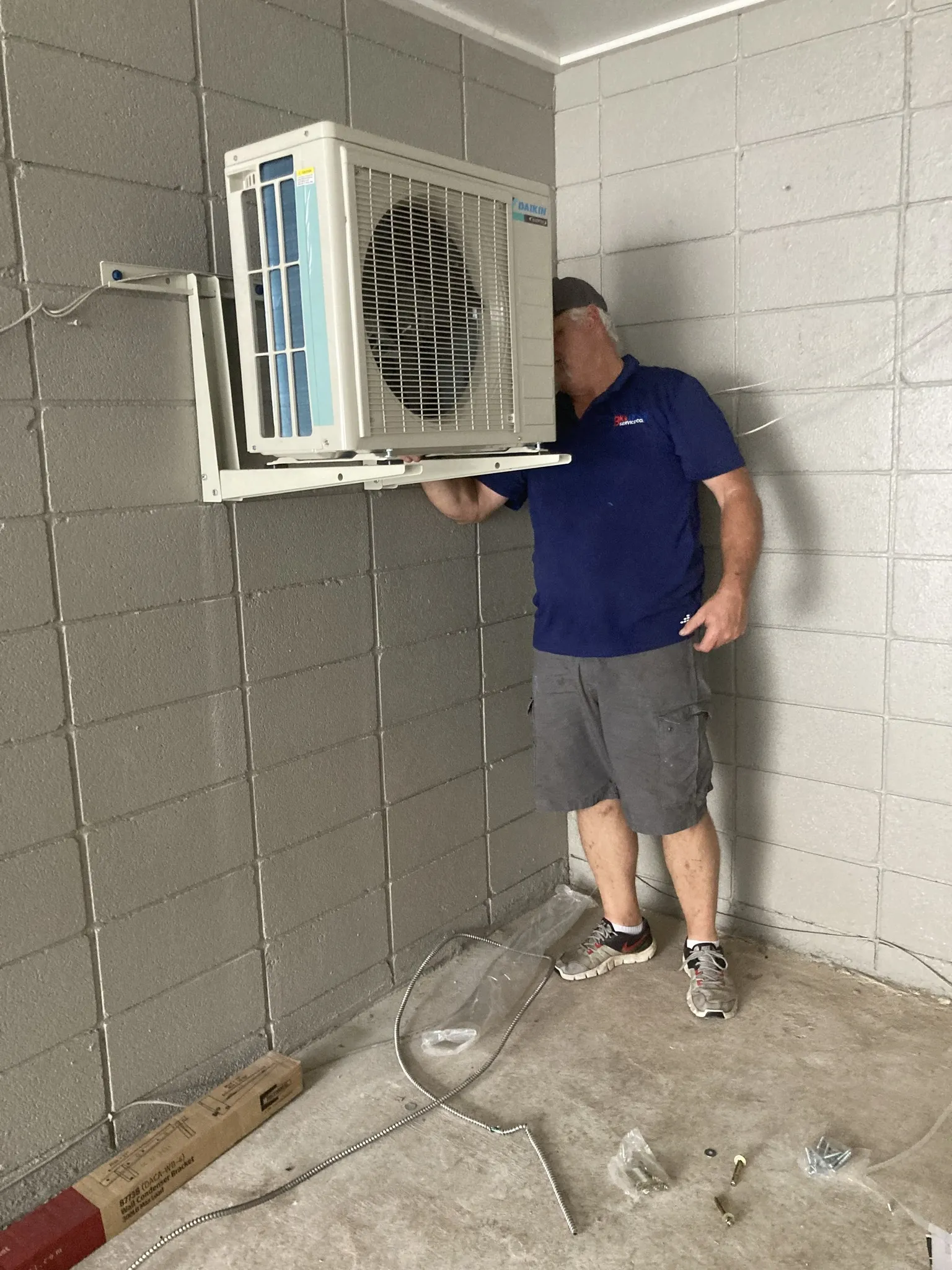
What tools and skills do you need for this task?
Proper seasonal HVAC maintenance demands specific tools and technical knowledge. A typical maintenance check-up includes checking thermostat settings to ensure accurate temperature control. Without the right equipment and expertise, homeowners risk system damage and costly emergency repairs.
What basic tools should a homeowner keep on hand?
Homeowners benefit from a basic toolkit for routine upkeep between professional visits. Essential items include screwdrivers for accessing panels, a vacuum for clearing debris, and replacement air filters. A clogged filter restricts airflow, making the system work harder and reducing efficiency. Filters require replacement every 1 to 3 months to maintain performance.
What professional skills do technicians bring to a heating checkup?
Professional technicians possess diagnostic skills that go far beyond basic homeowner maintenance. Big Rock Service Company provides residential and commercial repair services, meaning their technicians handle both home and business systems. This dual expertise ensures accurate diagnosis across diverse equipment types. Technicians test electrical connections, measure refrigerant levels, and inspect the heat pump reversing valve for proper operation.
A pre season heating checkup also involves evaluating combustion systems and safety controls. These tasks demand specialized training and certification. Attempting them without proper knowledge creates safety hazards and often leads to incomplete repairs. Homeowners who skip professional tune-up appointments often face mid-winter breakdowns when repair schedules are already full.
Why does local expertise matter for this work?
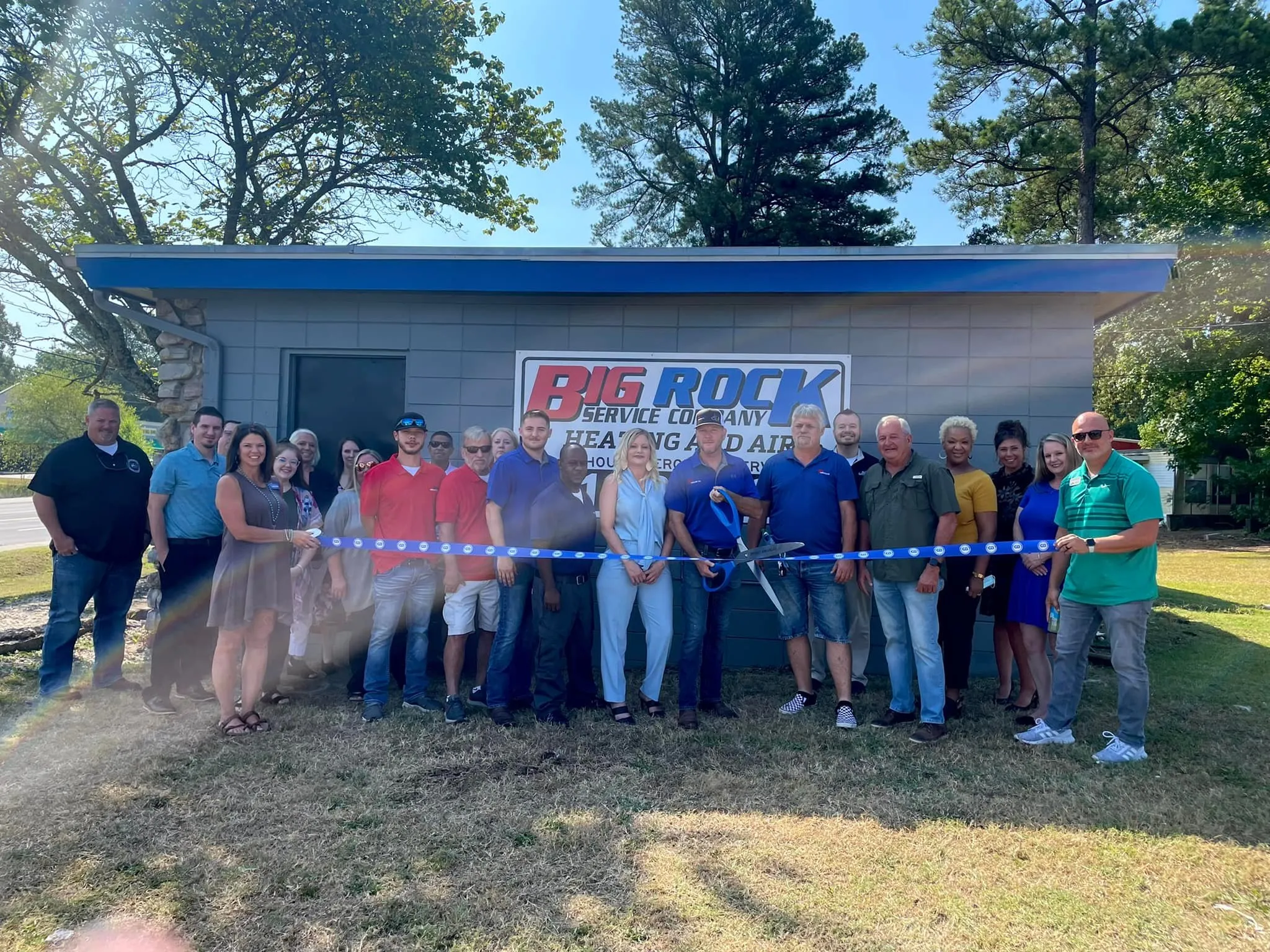
Big Rock Service Company is a locally owned and operated business, ensuring personalized service for the community. Local technicians understand regional climate patterns and common equipment failures in Pulaski, Saline, Faulkner, and Garland Counties. This familiarity speeds diagnosis and improves long-term system reliability. Homeowners who skip professional fall HVAC tune up appointments often face mid-winter breakdowns when repair schedules are already full.
How does a heat pump reversing valve work?
A heat pump reversing valve redirects refrigerant flow to switch the system between cooling and heating modes. The valve sits on the refrigerant line and changes direction based on signals from the thermostat. Without this component, a heat pump operates only as an air conditioner. Homeowners across Pulaski, Saline, Faulkner, and Garland Counties rely on this mechanism for year-round comfort.
The heat pump reversing valve contains a sliding piston controlled by a solenoid. When the thermostat calls for cooling, the valve routes hot refrigerant gas to the outdoor coil. The indoor coil absorbs heat from inside the home. Switching to heating mode energizes the solenoid. The piston slides to the opposite position. Hot gas now flows to the indoor coil, releasing warmth into the living space. This single component makes switching HVAC from cool to heat seamless and automatic.
What happens when a reversing valve fails?
A stuck reversing valve traps the system in one mode. The heat pump cannot produce heat even though the compressor runs. The outdoor unit may ice over while the indoor air stays cold. Left unresolved, small mechanical issues grow into costly breakdowns or early replacement. A pre season heating checkup identifies valve problems before winter demand peaks. Big Rock Service Company technicians inspect the reversing valve during every fall HVAC tune up. Catching a faulty valve early prevents a no-heat emergency when temperatures drop. Regular maintenance reduces the risk of valve failure over time.
How does seasonal maintenance protect the reversing valve?
Dust, wear, and minor misalignments affect performance over time. Regular seasonal HVAC maintenance reduces these risks by identifying problems before they worsen. Big Rock Service Company employs 15 dedicated technicians who serve Pulaski, Saline, Faulkner, and Garland Counties. The company also offers UV light maintenance, which improves indoor air quality during the heating season. A comprehensive winter heating repair schedule includes reversing valve inspection, refrigerant checks, and coil cleaning. Scheduling service before cold weather arrives keeps the heat pump ready for reliable operation all winter long.
What steps are in a fall HVAC tune up?
A professional fall HVAC tune up prepares heating equipment for winter’s demands. The process catches small problems before they become expensive failures. Technicians follow a systematic checklist that addresses safety, efficiency, and reliability.
What does a technician inspect during a heating system checkup?
The inspection begins with the furnace or heat pump itself. A technician listens for unusual noises that signal worn bearings, loose components, or airflow restrictions. Thermostat accuracy receives careful testing because calibration errors cause uneven heating and wasted energy. Big Rock Service Company provides free service calls, free estimates, and free checkups to help property owners complete this essential pre season heating checkup without upfront cost.
How does sealing the home improve heating performance?
Drafts undermine even the best-maintained heating equipment. Gaps around windows and doors let warm air escape continuously. This forces the system to run longer cycles. The added runtime increases wear on components and drives up utility bills. Sealing these openings reduces the heating load substantially. A seasonal HVAC maintenance visit should include checking for drafts and sealing gaps around doors and windows. The technician verifies that weatherstripping remains intact and recommends repairs where needed.
The heat pump reversing valve deserves special attention during fall service. This component switches the system between cooling and heating modes. A stuck or failing valve prevents proper operation when switching HVAC from cool to heat. Without functional reversal, the system cannot deliver warm air regardless of other components working correctly.
Big Rock Service Company handles both residential and commercial repair services. The company’s technicians address these tune-up steps for homes and businesses across Pulaski, Saline, Faulkner, and Garland Counties. Property owners who follow a winter heating repair schedule avoid emergency breakdowns during cold snaps. A furnace repair winter guide helps plan maintenance timing, but the core steps remain consistent: inspect, test, seal, and verify. Each step builds on the previous one. Skipping any element leaves the system vulnerable when temperatures drop.
How do you perform a pre season heating checkup?
A pre season heating checkup involves a systematic inspection of the entire heating system before cold weather arrives. Homeowners who skip this step risk sudden failures when temperatures drop and demand peaks. This preventive step catches small issues before they become expensive emergency repairs. Big Rock Service Company, a locally owned and operated business, has completed over 1000 projects, demonstrating deep expertise in these critical inspections.
What does a thermostat check involve during a heating tune-up?
The thermostat receives careful attention first. Technicians verify settings to ensure accurate temperature control, keeping the home comfortable when occupied and saving energy while the household is away. A miscalibrated thermostat forces the system to cycle incorrectly, wasting fuel and wearing down components faster.
The full inspection follows a clear sequence. Each step targets a specific failure point that, left unchecked, leads to expensive emergency repairs.
Inspect the heat exchanger. Technicians examine the heat exchanger for cracks or corrosion that could leak carbon monoxide into the home.
Test the heat pump reversing valve. For heat pump systems, the reversing valve must shift smoothly between cooling and heating modes. A stuck valve leaves the system unable to deliver warmth.
Clean or replace air filters. Restricted airflow from a clogged filter strains the blower motor and reduces efficiency dramatically.
Check electrical connections and lubricate moving parts. Loose wiring creates safety hazards, while dry bearings increase friction and energy consumption.
Verify the ignition system and burner assembly. Technicians clean the burners and confirm reliable ignition to prevent delayed starts or gas buildup.
Why does a pre season checkup prevent costly breakdowns?
Small problems grow silently. A minor ignition delay or a slightly loose belt does not trigger an immediate shutdown. The added stress accelerates wear on surrounding components. Regular tune-ups reduce these risks by identifying problems before they worsen into complete system failures. The fall HVAC tune up catches these issues when repair costs remain low and scheduling remains flexible.
Big Rock Service Company brings the same rigorous process to every seasonal HVAC maintenance visit. The company’s technicians document each finding and explain necessary repairs clearly. Property owners who invest in this preventive step avoid the discomfort and expense of a mid-winter heating emergency.
What is a heating repair content calendar?
A heating repair content calendar is a month-by-month maintenance schedule that prevents heating system failures. Homeowners who follow a structured calendar avoid emergency breakdowns during peak winter demand. Without a planned winter heating repair schedule, small issues escalate into complete system failures that leave properties without heat when temperatures plummet.
A monthly HVAC maintenance calendar shifts the approach from reactive repairs to preventative care. Instead of waiting for a furnace to break, property owners perform scheduled tasks that maintain system efficiency. This proactive method reduces long-term repair costs and extends equipment lifespan.
How does a content calendar prevent heating emergencies?
A content calendar assigns specific maintenance tasks to each month of the heating season. The schedule includes filter replacements, thermostat checks, and professional inspections at predetermined intervals. A Guide to Seasonal HVAC Maintenance for Your Home recommends replacing filters every 1 to 3 months to maintain performance. Clogged filters restrict airflow and force heating systems to work harder. That extra strain leads to higher energy consumption and premature component wear.
Big Rock Service Company supports these scheduled routines with free service calls, free estimates, and free checkups. Property owners across Pulaski, Saline, Faulkner, and Garland Counties use these no-cost evaluations to identify problems before winter arrives. The company’s residential and commercial repair services provide comprehensive coverage for any issues discovered during routine inspections.
What tasks belong in a winter heating repair schedule?
A complete furnace repair winter guide includes these monthly action items:
Inspect and replace air filters every 30 to 90 days.
Test thermostat accuracy and recalibrate if necessary.
Clear debris from around outdoor heat pump units.
Schedule a professional pre season heating checkup in early fall.
Document any unusual noises or odors for technician review.
The fall HVAC tune up serves as the cornerstone of this calendar. Contractors inspect the heat pump reversing valve, which controls the switch between cooling and heating modes. A faulty reversing valve traps the system in the wrong mode, leaving a home without heat even when the unit runs continuously. Big Rock Service Company technicians examine this component during every seasonal inspection. Their thorough approach catches valve failures before cold weather arrives, ensuring reliable switching HVAC from cool to heat when temperatures drop.
What is a winter heating repair schedule?
A winter heating repair schedule is a structured timeline of inspections and maintenance tasks designed to prevent furnace failures during peak cold months. This proactive plan keeps heating systems reliable when temperatures drop and demand spikes. Without a schedule, homeowners risk sudden breakdowns that leave properties without heat exactly when it is needed most.
Cold temperatures and heavy system usage make it essential to stay on top of seasonal HVAC maintenance. Failing to prepare a system for winter leads to higher energy bills and potential complete failure. A documented repair schedule eliminates guesswork and ensures every critical component receives attention before it becomes a liability.
What tasks belong on a winter heating repair schedule?
A proper schedule combines monthly homeowner actions with professional service visits. The following numbered steps outline the core sequence:
Replace or clean air filters every 30 days during heavy-use months. A clogged filter restricts airflow and forces the system to work harder.
Inspect thermostat settings and battery levels at the start of the season. Incorrect programming wastes energy and strains equipment.
Schedule a professional pre season heating checkup before temperatures fall below freezing. Technicians examine electrical connections, lubricate moving parts, and verify safe operation.
Test the heat pump reversing valve if the property uses a heat pump system. This component switches the unit between cooling and heating modes.
Book a mid-winter follow-up inspection for systems older than ten years. Wear accelerates during continuous operation.
Big Rock Service Company has completed over 1000 projects, ensuring reliable winter repair services across Pulaski, Saline, Faulkner, and Garland Counties. The company offers free service calls, free estimates, and free checkups to help property owners establish their winter readiness plan.
How often should filters be changed during winter?
Filters require replacement every one to three months during winter, with monthly changes recommended for homes with pets or allergy concerns. A dirty filter chokes airflow and causes the blower motor to overwork. This single task prevents the majority of preventable winter service calls.
When should a professional heating inspection occur?
A professional inspection should happen in early fall, before the first sustained cold snap. Technicians catch small issues like worn belts or dirty burners before they escalate into emergency repairs. Big Rock Service Company provides thorough pre-season evaluations that address every mechanical and electrical component.
What are common mistakes to avoid during transition?
Homeowners make several critical errors when switching HVAC from cool to heat. These mistakes drive up energy costs and risk complete system failure. Failing to prepare a heating system for winter leads to higher energy bills and even a total breakdown, according to seasonal maintenance guidance. A fall HVAC tune up prevents these expensive outcomes.
Why does skipping filter replacement cause problems?
A clogged filter restricts airflow immediately. The system works harder and loses efficiency with every cycle. Filters require replacement every 1 to 3 months to maintain proper performance. Neglecting this simple task strains components and shortens equipment lifespan.
What happens when a heat pump reversing valve malfunctions?
The heat pump reversing valve directs refrigerant flow for both heating and cooling modes. A stuck or failing valve traps the system in the wrong mode. This malfunction wastes energy and delivers no comfort. Professional diagnosis identifies valve issues before compressor damage occurs.
Big Rock Service Company provides residential and commercial repair services to correct these transition mistakes. The company’s technicians inspect reversing valves, replace restricted filters, and verify proper airflow. A pre season heating checkup catches small problems before they escalate into mid-winter emergencies. Big Rock Service Company is a locally owned and operated business serving Pulaski, Saline, Faulkner, and Garland Counties. Homeowners who schedule early avoid the scramble for emergency repairs when temperatures plummet.
FAQ
Why should I switch my HVAC from cool to heat before the first cold snap?
Delaying the transition invites system failure when temperatures plummet. Switching before the first cold snap prevents emergency breakdowns and ensures reliable warmth, avoiding extended discomfort and overwhelmed contractors.
What does a pre-season heating checkup include?
Technicians inspect electrical connections, test safety controls, and verify proper airflow. The checkup uncovers minor issues before they escalate into expensive failures. Big Rock Service Company offers free checkups to prepare for the heating season.
What happens if the heat pump reversing valve is stuck?
A stuck valve traps the system in one mode, leaving indoor air cold regardless of thermostat settings. Technicians test this component during a fall tune-up, catching the failure in October as a simple repair rather than a January emergency.
Conclusion
A documented winter repair calendar transforms seasonal HVAC maintenance from guesswork into a dependable routine. Homeowners who follow this schedule (replacing filters monthly, testing thermostat settings, and booking a pre season heating checkup) protect their systems against mid-winter failures. The transition from cooling to heating demands attention before the first freeze, not after. Scheduling that early inspection delivers peace of mind and reliable warmth throughout the coldest months. Take the next step today and secure your home’s comfort before temperatures drop.